
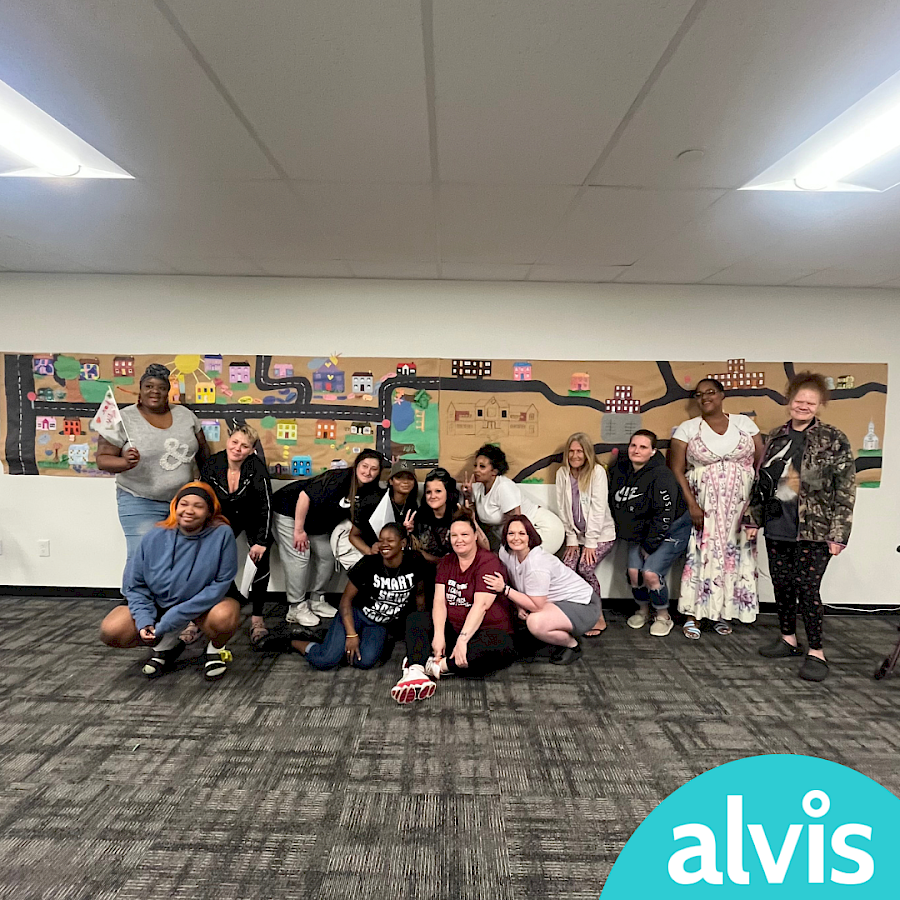
Art has a way of bringing new life to recovery. It adds color, creativity, and a sense of possibility—turning powerful messages into something visible and real. Recently, Amethyst clients experienced this firsthand through a collaborative art project centered on one inspiring theme: new beginnings.
During several Friday morning sessions, when all Intensive Outpatient clients gather together, the group began exploring what a fresh start truly looks like. In earlier expressive writing classes, they had already reflected on what makes a good neighborhood—one where children can grow, where neighbors support one another, and where safety and stability create a foundation for success. They also discussed the importance of environment, recognizing how leaving behind neighborhoods where drugs are openly sold and exploitation is prevalent can be a critical step toward sustained recovery.
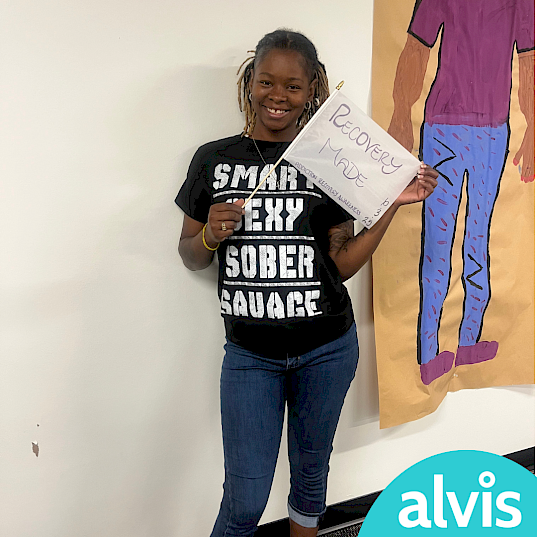
That message was reinforced by a guest speaker who shared her own journey. After making the decision to move away from people and places tied to her past substance use, she transformed her life. Today, she has been drug-free for 17 years, built a stable career, and repaired relationships with her daughter and mother.
“I didn’t even know that there was anything positive about me or even realized that I could be likeable until I got clean and changed the environment I lived in,” she shared.
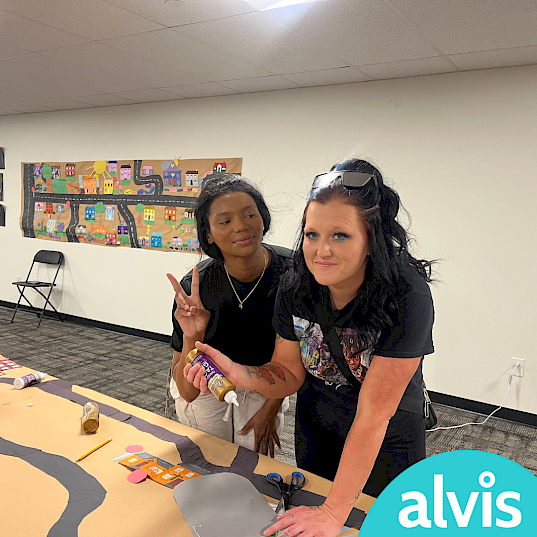
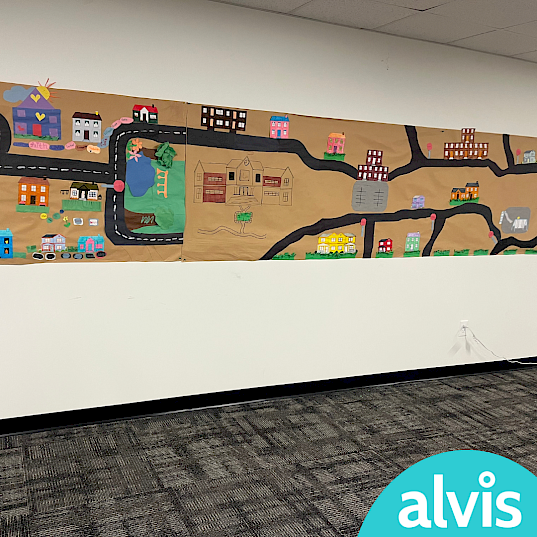
Inspired by these conversations, the women brought their visions to life through art—creating a bright, detailed mural of the kind of community they hope to one day live in. While the group hasn’t officially voted on a name, there’s already excitement building around calling it “Amethystville.”
The project quickly became more than just an art exercise. Clients organized themselves into roles, electing a mayor and city planners to guide the vision. Under the leadership of their elected mayor, Damon’Neisha, the group worked collaboratively to design a community that reflects their shared values.
“My goal was to help others find the strength to heal, rebuild their lives, and become a part of our healthy, safe city,” Damon’Neisha shared. “Acting as the mayor was an amazing experience.”
Yolanda, who was elected as a city planner, reflected on the teamwork behind the project:
“I am most proud of how our Amethyst community came together for the greater good in our recovery to build this village. I saw support, love, and a willingness to embrace what was ahead of us—an endless opportunity to grow bigger, better, and stronger.”
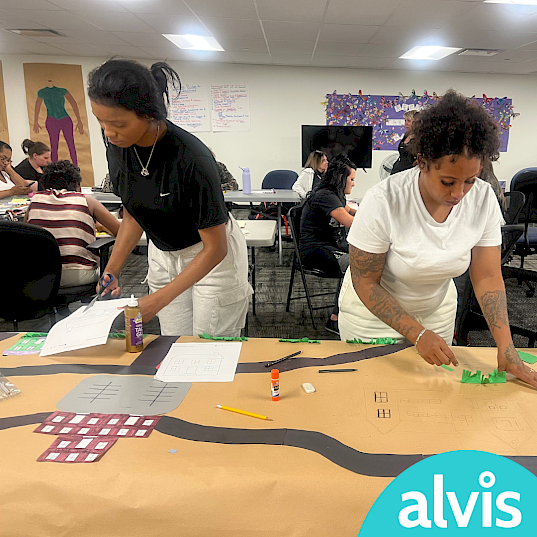
As the mural took shape, it became clear that the vision for “Amethystville” extended far beyond buildings and streets. It represented something deeply personal for each woman involved.
“This village we all created out of paper houses represents the things we would like to see in communities for ourselves and our children,” shared Miranda. “It was a fun project that showed our creativity and how we all want similar things in our own community, such as love, respect, and good communication.”
Jennifer echoed that sense of connection: “I really enjoyed working on this project. We all came together as a community, worked on the scene, and created something fun and meaningful.”
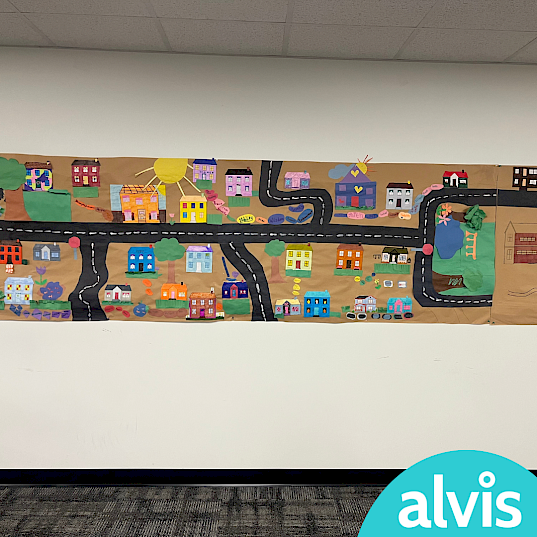
For others, the project represented something they had never experienced before. “The village represents a lot to me and was something I never had—somewhere safe to live where I could be accepted,” Chelsea shared. “It includes things like a big new school, a park, a City Hall, and a church—all in one place.”
Paula captured the spirit of the project simply and powerfully: “The city we built represents community, love, laughter, safety, healing, sobriety, and support.”
Together, “Amethystville” stands as more than a mural—it’s a shared vision of what’s possible. It reflects the hopes, dreams, and determination of women who are actively working toward brighter futures for themselves and their families.
Most importantly, it serves as a reminder that recovery is not just about leaving something behind—it’s about building something new.